
 Your dermatologist takes a skin biopsy. Have you wondered who examines that tissue sample? A dermatopathologist is the specialist working behind the scenes and diagnosing your skin condition under a microscope. Skin cancer is the most common form of cancer in the United States. This makes accurate diagnosis critical. About 80% of skin cancers are basal cell carcinomas, while only 1% are melanoma. Yet melanoma remains one of the most aggressive types. What a dermatopathologist does and when you might need one can affect your treatment outcomes. We’ll walk you through their specialized role in this piece. You’ll learn about the conditions they diagnose and situations where their expertise becomes essential for your care.
Understanding What a Dermatopathologist Does
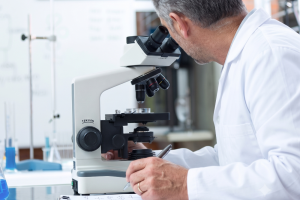
A dermatopathologist is a physician with specialized training in diagnosing skin diseases through microscopic analysis. A general dermatologist sees patients and sends tissue samples to a lab. A dermatopathologist has additional training to analyze those samples under a microscope.
Their dual expertise makes them qualified for this work. Training requires completion of a residency and an additional 1-year specialty fellowship. Some dermatopathologists start as anatomical pathologists before specializing. Others begin as dermatologists. Either path guides them to the same subspecialty certification.
Dermatopathologists are sometimes called the “Sherlock Holmes of dermatology”. Their biggest function is to relate a dermatologist’s suspicions with lab results and provide a more precise diagnosis. A dermatologist performs a biopsy and sends the tissue to pathology for processing. The dermatopathologist then examines the tissue under the microscope and renders a diagnosis.
Dermatopathologists combine clinical dermatology knowledge with specialized lab analysis training. They use microscopic clues to help determine an accurate diagnosis and the most effective treatment plan. Accurate diagnosis depends on the quality of the skin sample required for a biopsy. Some dermatopathologists rotate roles between seeing patients and spending time in the lab. They participate in consults for complicated cases together with other specialists.
Common Conditions Diagnosed by Dermatopathologists
Dermatopathologists diagnose a wide range of skin conditions that affect millions each year. Skin cancers represent one of their main focus areas. Melanoma accounts for only about 2% of skin cancers but is responsible for over 80% of skin cancer deaths. Basal cell carcinoma is the most common type but rarely spreads to other body parts. Squamous cell carcinoma accounts for most nonmelanoma skin cancer-related metastatic disease and deaths.
Skin infections form another major category. Bacterial infections like impetigo, fungal conditions including tinea and candidiasis, viral infections such as herpes and warts, and parasitic infestations like scabies all require microscopic confirmation. Dermatopathologists identify these pathogens through specialized staining techniques.
Autoimmune skin diseases also fall under their expertise. Conditions like pemphigus, bullous pemphigoid, lupus, dermatomyositis, and vasculitis require careful histopathological analysis to distinguish from disorders that look similar. Similarly, inflammatory conditions such as psoriasis need microscopic evaluation, especially when you have approximately 75% of patients with at least one comorbid condition.
Hair loss disorders represent another diagnostic challenge. Alopecia areata, telogen effluvium, scarring alopecia, and lichen planopilaris require scalp biopsies for accurate diagnosis. Horizontal sectioning provides valuable information about follicle health and helps guide treatment decisions.
When You Need a Dermatopathologist
You won’t actually visit a dermatopathologist in person. Your dermatologist performs the biopsy and sends the tissue sample to a dermatopathologist to analyze. But knowing when these specialists become involved in your care matters.
Persistent skin changes need evaluation. Schedule an appointment with your dermatologist if you notice a new mole, skin rash, or lesion that doesn’t resolve. Non-healing sores, persistent itching, or unusual skin abnormalities that last for an extended period need professional examination.
Pay attention to moles exhibiting ABCDE characteristics:
- Asymmetry in shape
- Border irregularities or jagged edges
- Color variations within the same mole
- Diameter larger than a pea
- Evolving appearance over weeks or months
Additional warning signs include persistent rashes that don’t subside, open sores refusing to heal, and rough or scaly patches. Your dermatologist will determine whether a biopsy is necessary.
Finding a reliable dermatopathologist involves researching online, asking family and friends for recommendations, and reviewing ratings before selecting one. Accurate diagnosis represents the main benefit. Early detection and treatment help prevent complications and may save your life. A misdiagnosis can lead to inappropriate treatment and serious consequences, including difficulty obtaining affordable life insurance.
Dermatopathologists work behind the scenes, but their expertise affects your treatment success. Your dermatologist will determine if a biopsy is necessary and send tissue samples for microscopic analysis. Accurate diagnosis can make the difference between early intervention and delayed treatment. Pay attention to warning signs like persistent skin changes or non-healing sores. Schedule an appointment with your dermatologist as soon as you notice these symptoms.
FAQs
Q1. What types of skin conditions can a dermatopathologist diagnose? Dermatopathologists diagnose a wide range of skin conditions including skin cancers (melanoma, basal cell carcinoma, and squamous cell carcinoma), infectious diseases (bacterial, fungal, viral, and parasitic infections), autoimmune disorders (pemphigus, lupus, dermatomyositis), inflammatory conditions like psoriasis, and hair loss disorders such as alopecia areata and scarring alopecia.
Q2. What’s the main difference between a dermatologist and a dermatopathologist? A dermatologist primarily sees patients directly and examines skin conditions clinically, while a dermatopathologist specializes in analyzing tissue samples under a microscope to diagnose skin diseases. Dermatopathologists have additional fellowship training beyond residency and work behind the scenes in laboratories rather than seeing patients in person.
Q3. What are the warning signs that indicate I might need a skin biopsy? Warning signs include new or changing moles with asymmetry, irregular borders, color variations, diameter larger than a pea, or evolving appearance. Other red flags are persistent rashes that don’t resolve, non-healing sores, rough or scaly patches, unexplained blistering, persistent itching, and any unusual skin abnormalities lasting for an extended period.
Q4. Will I meet with a dermatopathologist directly for my skin concern? No, you won’t visit a dermatopathologist in person. Your dermatologist performs the skin biopsy during your appointment and then sends the tissue sample to a dermatopathologist who analyzes it under a microscope in a laboratory setting and provides the diagnosis back to your dermatologist.
Q5. Why is accurate diagnosis by a dermatopathologist so important? Accurate diagnosis is critical because it determines the appropriate treatment plan and can be life-saving, especially for conditions like melanoma. Misdiagnosis can lead to inappropriate treatment, serious health consequences, delayed intervention, and even difficulties obtaining affordable life insurance. Early detection through proper diagnosis helps prevent complications and improves treatment outcomes.
We Dermatopathologists on staff to help you with a skin diagnosis
Our Northern Kentucky dermatology practice is dedicated to providing thorough, head‑to‑toe evaluations for every patient. During a full‑body skin exam, our board‑certified dermatologists carefully checks moles, sun spots, and any new or changing lesions using advanced diagnostic tools, including dermoscopy when appropriate.
> Learn More
Contact Us (859) 283-1033 for a Consultation
—
 About Dermatology Associates of Northern Kentucky
 About Dermatology Associates of Northern Kentucky
Dermatology Associates of Northern Kentucky offers a range of services for all age groups, including general and pediatric dermatology, dermatologic surgery, Mohs Micrographic surgery, laser and cosmetic procedures, and Dermatopathology.
> Learn More