
Comprehensive Skin Examinations
Northern Kentucky Skin Examinations
Comprehensive skin examinations are essential for early detection and effective treatment of skin cancer.
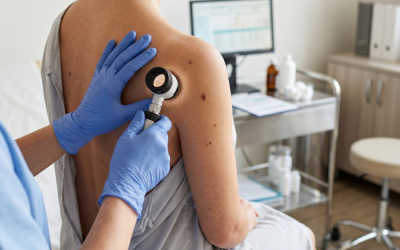
Our Northern Kentucky dermatology practice is dedicated to providing thorough, head‑to‑toe evaluations for every patient. During a full‑body skin exam, our board‑certified dermatologists carefully checks moles, sun spots, and any new or changing lesions using advanced diagnostic tools, including dermoscopy when appropriate.
Patients in Northern Kentucky trust our skin cancer screening expertise to identify concerns at the earliest, most treatable stages, whether it’s melanoma, basal cell carcinoma, or squamous cell carcinoma. By combining attentive visual assessment with your personal and family history, we create a personalized plan for ongoing skin health and cancer prevention.
In addition to skin cancer screenings, our full‑body skin checks can detect common conditions such as psoriasis, eczema, acne, and rosacea before they become more serious.
As a leading dermatologist in Northern Kentucky, we recommend annual comprehensive skin examinations for most adults, and more frequent screenings for patients with a history of skin cancer, atypical moles, or significant sun exposure.

Skin Examination FAQs
What is a comprehensive skin examination?
A comprehensive skin examination is a thorough head-to-toe evaluation performed by a dermatologist to check for suspicious moles, skin cancer, and other skin conditions. It helps identify concerns early, often before symptoms develop.
Why are regular skin exams important?
Regular skin exams increase the likelihood of detecting skin cancer and other skin conditions in their earliest, most treatable stages. Early diagnosis often leads to simpler treatments and better outcomes.
How often should I schedule a skin examination?
Most adults benefit from an annual comprehensive skin examination. If you have a personal or family history of skin cancer, numerous moles, or significant sun exposure, your dermatologist may recommend more frequent visits.
What happens during a comprehensive skin exam?
Your dermatologist carefully examines your skin from your scalp to your feet, including areas that are difficult to see yourself. If a suspicious spot is found, it may be photographed, monitored, or biopsied if necessary.
How long does a comprehensive skin examination take?
Most skin examinations take approximately 15 to 30 minutes, depending on the number of moles, skin lesions, or concerns that need to be evaluated.
Do I need to prepare for my skin exam?
Yes. Arrive with clean skin free of makeup, heavy lotions, and nail polish whenever possible. Wear comfortable clothing that is easy to remove, and make a note of any new or changing spots you’d like your dermatologist to examine.
Who should have regular skin examinations?
Everyone can benefit from regular skin exams, but they are especially important for people with fair skin, frequent sun exposure, a history of blistering sunburns, many moles, or a personal or family history of skin cancer.
Will my dermatologist examine every area of my skin?
A comprehensive examination is designed to evaluate your entire skin surface. Your dermatologist will maintain your privacy throughout the exam while ensuring that areas where skin cancer commonly develops are properly evaluated.
Are comprehensive skin examinations painful?
No. A skin examination is completely non-invasive and painless. If your dermatologist recommends a biopsy, local anesthesia is used to keep you comfortable during the procedure.
What signs should prompt me to schedule a skin exam sooner?
Schedule an appointment promptly if you notice a new mole, changes in an existing mole, a sore that won’t heal, bleeding, itching, or a spot that changes in size, shape, or color.
Can a comprehensive skin examination detect conditions other than skin cancer?
Yes. During your visit, your dermatologist may identify a variety of skin conditions such as eczema, psoriasis, rosacea, infections, cysts, precancerous growths, and other dermatologic concerns that may benefit from treatment.
Does insurance typically cover comprehensive skin examinations?
Many health insurance plans cover medically necessary skin examinations, particularly when there are concerning lesions, risk factors, or a history of skin cancer. Coverage varies by insurance provider, so it’s always a good idea to verify your benefits before your appointment.
Relevant Tips, Trends, & News

How Often Should You Get a Full-Body Skin Exam? What Northern Kentucky Dermatologists Want You to Know…
Approximately 1 in 5 Americans will develop some form of skin cancer by age 70, yet only 8% of patients who recently saw their primary care provider received a skin examination. Many of us remain uncertain about how often should you get a full-body skin exam, despite...
Skin Cancer Screening: What Actually Happens During Your Appointment…
Skin cancer screening appointments can feel uncertain when you don't know what to expect. Many people postpone or avoid these visits simply because they're unfamiliar with the process, yet understanding what actually happens can ease those concerns. A typical...
Board Certified Physicians
Our Board Certified Physicians and Physician Extenders treat a wide range of conditions using the latest procedures and medications.
You Have An Active Role
We want to educate you about your condition, and encourage you to play an active role in your treatment.
Comprehensive Treatments
We treat a wide spectrum of skin conditions including acne, moles, psoriasis, eczema and skin cancers as well as less common conditions.