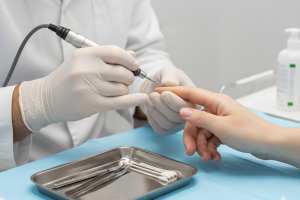
 Nail disorders can often be overlooked, yet they can serve as indicators of underlying health issues. Fingernails and toenails, composed of a hardened protein called keratin, protect the tips of our fingers and toes. Changes in their appearance, texture, or growth can signal various health concerns. This article delves into common nail disorders, their symptoms, and how dermatologists can provide effective treatment.
Common Nail Disorders
Fungal Infections
Fungal infections, particularly onychomycosis, are among the most prevalent nail disorders. These infections can lead to thickened, discolored, and brittle nails. Symptoms often include:
-
- Discoloration: Nails may appear yellow, brown, or white.
- Thickening: The nail may become thicker than usual, making it difficult to trim.
- Crumbly Texture: Infected nails may crumble or break easily.
Fungal infections can be persistent and may require prolonged treatment. Dermatologists often prescribe antifungal medications, which can be applied topically or taken orally, depending on the severity of the infection.
Bacterial Infections
Bacterial infections can also affect the nails, leading to symptoms such as redness, swelling, and pain around the nail bed. These infections may occur due to injuries or existing skin conditions. Treatment typically involves antibiotics to eliminate the infection and may require drainage if an abscess forms.
Ingrown Nails
Ingrown nails occur when the edges of the nail grow into the surrounding skin, causing pain, swelling, and sometimes infection. This condition is common in toenails, particularly the big toe. Treatment may involve:
-
- Trimming the Nail: A dermatologist can carefully trim the nail to relieve pressure.
- Surgical Intervention: In severe cases, partial or complete removal of the nail may be necessary.
Psoriasis
Nail psoriasis is a chronic skin condition that can affect the nails, leading to pitting, discoloration, and thickening. It may also cause the nails to separate from the nail bed. Dermatologists can provide treatments that include topical therapies, systemic medications, or phototherapy to manage symptoms effectively.
Other Nail Disorders
Other conditions that may affect nail health include:
-
- Tumors: Benign or malignant growths can develop under or around the nails.
- Warts: Viral infections can lead to warts on the nails or surrounding skin.
- Nail Dystrophies: These are abnormalities in nail growth and appearance, often requiring specialized treatment.
Symptoms Indicating Nail Disorders
Visual Changes
Changes in the appearance of nails can be the first sign of a disorder. Common visual symptoms include:
-
- Color Changes: Nails may turn yellow, blue, or white, indicating various health issues.
- Texture Changes: Nails may become rough, pitted, or ridged.
- Shape Changes: Abnormal curvature or lifting of the nail can signal underlying problems.
Pain and Discomfort
Pain around the nails, especially in cases of ingrown nails or infections, can significantly impact daily activities. If you experience persistent pain, it’s essential to consult a dermatologist.
Other Associated Symptoms
In some cases, nail disorders may be accompanied by other symptoms, such as:
-
- Swelling: Inflammation around the nail bed can indicate infection.
- Foul Odor: A bad smell may suggest a bacterial infection.
- Discharge: Pus or other fluids may indicate an underlying infection.
The Importance of Seeking Dermatological Care
Early Diagnosis
Consulting a dermatologist for nail issues is crucial for early diagnosis and treatment. Dermatologists are trained to recognize the signs of various skin and nail conditions, allowing for timely intervention. Early diagnosis can prevent more severe complications and improve treatment outcomes.
Comprehensive Evaluation
When you visit a dermatologist for nail concerns, they will conduct a thorough evaluation, which may include:
-
- Physical Examination: A close inspection of the nails and surrounding skin.
- Medical History Review: Discussing any underlying health conditions or medications.
- Diagnostic Tests: In some cases, a biopsy or culture may be necessary to identify the cause of the nail disorder.
Tailored Treatment Plans
Dermatologists can develop personalized treatment plans based on the specific nail disorder diagnosed. Treatment options may include:
-
- Topical Treatments: Creams or ointments applied directly to the affected area.
- Oral Medications: Pills prescribed for systemic infections or severe conditions.
- Surgical Procedures: In cases of severe ingrown nails or tumors, surgical intervention may be required.
Treatment Options for Nail Disorders
Antifungal Treatments
For fungal infections, dermatologists may prescribe:
-
- Oral Antifungals: Medications like itraconazole or terbinafine taken for several weeks.
- Topical Antifungals: Creams or nail lacquers applied directly to the infected area.
Antibiotic Treatments
In cases of bacterial infections, dermatologists may recommend:
-
- Oral Antibiotics: Medications to combat systemic infections.
- Topical Antibiotics: Creams or ointments for localized infections.
Surgical Interventions
For severe cases, such as ingrown nails or tumors, surgical options may include:
-
- Nail Removal: Partial or complete removal of the nail to treat the underlying issue.
- Debridement: Cleaning and removal of infected tissue.
Lifestyle and Home Remedies
In addition to professional treatment, maintaining proper nail hygiene can help prevent nail disorders. Recommendations include:
-
- Regular Trimming: Keeping nails short and well-groomed.
- Moisturizing: Applying lotion to prevent dryness and cracking.
- Protective Measures: Wearing gloves during household chores to protect nails from damage.
Preventing Nail Disorders
Good Nail Hygiene
Practicing good nail hygiene is essential for preventing disorders. This includes:
-
- Keeping Nails Clean: Regularly washing and drying nails to prevent infections.
- Avoiding Trauma: Being cautious during activities that may injure the nails.
Healthy Lifestyle Choices
Maintaining a healthy lifestyle can also contribute to nail health. Consider:
-
- Balanced Diet: Consuming a diet rich in vitamins and minerals to support nail growth.
- Hydration: Drinking plenty of water to keep nails hydrated.
Regular Check-ups
Regular visits to a dermatologist can help monitor nail health and catch any potential issues early. If you notice any changes in your nails, don’t hesitate to seek professional advice.
When to See a Dermatologist
Persistent Symptoms
If you experience persistent symptoms such as pain, discoloration, or changes in nail texture, it’s essential to consult a dermatologist. Early intervention can prevent complications and improve treatment outcomes.
Recurring Infections
Frequent nail infections may indicate an underlying health issue. A dermatologist can help identify the cause and recommend appropriate treatment.
Changes in Nail Appearance
Any sudden or unexplained changes in the appearance of your nails should be evaluated by a professional. This includes changes in color, shape, or texture.
Nail disorders can significantly impact your quality of life, but with the right care, they can be effectively managed. Dermatologists play a crucial role in diagnosing and treating these conditions, ensuring that you receive the best possible care. If you’re experiencing any nail issues, don’t hesitate to reach out to a dermatologist for guidance and treatment. Your nails are not just a cosmetic concern; they can be a window into your overall health. Taking proactive steps to address nail disorders can lead to healthier nails and improved well-being.
We Help Patients with Fingernail and Toenail Disorders
General Dermatology encompasses the complete range of disease and conditions of skin, hair and nails. Our goal is to help each of our patients achieve healthy, beautiful skin through proper skin care, skin surveillance, and accurate diagnosis and treatment of skin disease.
> Learn More
Contact Us (859) 283-1033 for a Consultation
—
 About Dermatology Associates of Northern Kentucky
 About Dermatology Associates of Northern Kentucky
Dermatology Associates of Northern Kentucky offers a range of services for all age groups, including general and pediatric dermatology, dermatologic surgery, Mohs Micrographic surgery, laser and cosmetic procedures, and Dermatopathology.
> Learn More