
Psoriasis Care
Northern Kentucky Psoriasis Care
Personalized Psoriasis Care for Healthier, Clearer Skin
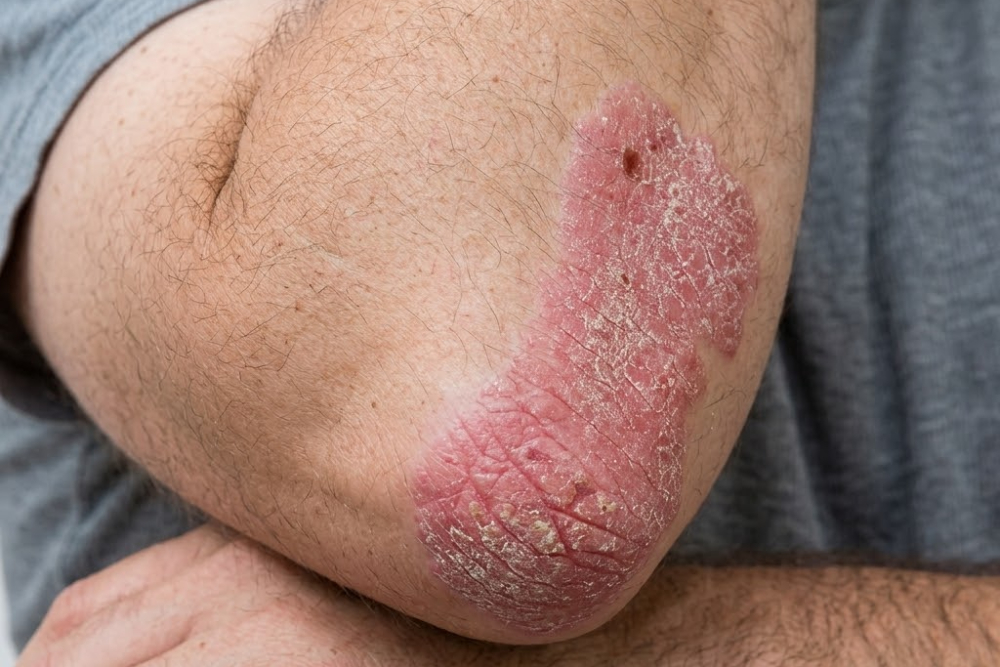
Psoriasis is a chronic inflammatory skin condition that causes skin cells to build up more quickly than normal, resulting in thick, scaly patches that may appear red, pink, purple, or darker than the surrounding skin. These patches can develop anywhere on the body but commonly affect the elbows, knees, scalp, and lower back. Psoriasis may also cause itching, dryness, cracking, and discomfort, with symptoms ranging from mild to severe. Because psoriasis can resemble eczema and other skin conditions, an evaluation by a dermatologist can help ensure an accurate diagnosis and determine the most appropriate treatment approach.
Psoriasis treatment focuses on reducing inflammation, relieving discomfort, improving the appearance of affected skin, and managing flare-ups over time. Depending on the type, location, and severity of your psoriasis, treatment options may include prescription topical medications, medicated shampoos, light therapy, oral medications, and advanced biologic treatments. Identifying potential triggers, maintaining a consistent skincare routine, and making appropriate lifestyle adjustments can also help manage symptoms. A personalized psoriasis care plan can help patients achieve clearer, more comfortable skin while improving their overall quality of life.
Psoriasis Care FAQs
What is psoriasis, and what causes it?
Psoriasis is a chronic, immune-mediated inflammatory skin condition that causes skin cells to multiply faster than normal, resulting in thick, scaly patches. These patches may appear red, pink, purple, or darker than the surrounding skin and can cause itching, dryness, and discomfort. Psoriasis develops through a combination of genetic and immune system factors. Common triggers include stress, infections, skin injuries, certain medications, and cold weather.
What are the most common symptoms of psoriasis?
Common psoriasis symptoms include raised, scaly patches of skin, itching, burning, dryness, cracking, and occasional bleeding. Psoriasis frequently affects the scalp, elbows, knees, and lower back but can develop anywhere on the body. Some patients also experience nail changes, including pitting, discoloration, or thickening. Symptoms vary depending on the type and severity of psoriasis.
Is psoriasis contagious?
No, psoriasis is not contagious and cannot spread through physical contact, sharing personal items, or being near someone with the condition. Psoriasis is caused by an overactive immune response rather than bacteria or viruses. Although psoriasis patches may appear irritated or inflamed, they do not pose a risk to others.
Can psoriasis be permanently cured?
Currently, there is no permanent cure for psoriasis, but effective treatments can significantly reduce symptoms and help patients achieve clearer skin. Some individuals experience long periods of remission when symptoms become minimal or disappear temporarily. A dermatologist can develop a personalized treatment plan to control inflammation, manage flare-ups, and maintain healthier skin over time.
What are the best treatment options for psoriasis?
The best psoriasis treatment depends on the severity of the condition, the areas affected, and the patient’s overall health. Mild psoriasis may respond to prescription topical corticosteroids, vitamin D analogs, or other medicated creams. Moderate to severe psoriasis may require phototherapy, oral medications, or biologic injections that target specific immune system pathways. A dermatologist can recommend the most appropriate treatment based on individual needs.
What triggers psoriasis flare-ups?
Psoriasis flare-ups can be triggered by several factors, including emotional stress, infections, cold or dry weather, skin injuries, smoking, heavy alcohol consumption, and certain medications. Triggers vary from person to person, making it important to recognize patterns associated with worsening symptoms. Identifying and managing personal triggers can help reduce the frequency and severity of flare-ups.
How long does it take for psoriasis treatment to work?
The time required to see improvement depends on the treatment method and severity of psoriasis. Some topical medications may begin reducing itching and inflammation within a few weeks, while phototherapy and systemic treatments may require several weeks to months for more noticeable improvement. Biologic medications can produce significant improvement for many patients, although response times vary. Consistent treatment and follow-up appointments help dermatologists evaluate progress and make adjustments when necessary.
Can psoriasis affect the scalp and cause hair loss?
Yes, scalp psoriasis can cause thick, scaly patches, itching, irritation, and temporary hair loss. Hair loss may result from inflammation, excessive scratching, or aggressive removal of scales. Fortunately, hair usually grows back once scalp inflammation is controlled. Treatment options may include medicated shampoos, prescription topical solutions, corticosteroids, and other therapies recommended by a dermatologist.
What is the difference between psoriasis and eczema?
Psoriasis and eczema are both inflammatory skin conditions, but they have different underlying causes and characteristics. Psoriasis typically produces thicker, well-defined patches with silvery or whitish scales, while eczema often causes intensely itchy, inflamed skin that may become dry, cracked, or weepy. Both conditions can occur in similar locations and sometimes look alike. A dermatologist can distinguish between psoriasis and eczema and recommend appropriate treatment.
Can psoriasis cause joint pain or arthritis?
Yes, some individuals with psoriasis develop psoriatic arthritis, an inflammatory condition that affects the joints. Symptoms may include joint pain, stiffness, swelling, and reduced mobility. Psoriatic arthritis can affect the fingers, toes, knees, spine, and other joints. Early diagnosis and treatment are important because untreated joint inflammation can lead to permanent damage. Patients experiencing joint symptoms should discuss them with their dermatologist or a rheumatologist.
Can diet and lifestyle changes help manage psoriasis?
Healthy lifestyle habits may help reduce psoriasis symptoms and support overall well-being. Maintaining a healthy weight, exercising regularly, managing stress, avoiding smoking, and limiting alcohol consumption may help reduce inflammation and flare-ups. Some patients notice improvements when they identify and avoid individual dietary triggers, although no specific diet has been proven to cure psoriasis. Lifestyle modifications are most effective when combined with appropriate medical treatment.
When should I see a dermatologist for psoriasis treatment?
You should consider seeing a dermatologist if you develop persistent scaly patches, itching, skin irritation, or symptoms that do not improve with over-the-counter products. Professional evaluation is especially important when psoriasis affects large areas of the body, interferes with sleep or daily activities, involves sensitive areas, or causes significant discomfort. A dermatologist can confirm the diagnosis, assess the severity of the condition, and develop a personalized treatment plan to help manage symptoms and improve skin health.
Relevant Tips, Trends, & News
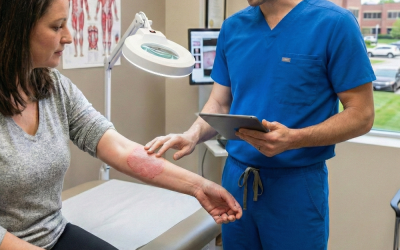
Understanding Psoriasis: Symptoms, Causes, and Treatment Options in Northern Kentucky…
Psoriasis is a chronic autoimmune condition that primarily affects the skin, leading to the rapid growth of skin cells. This accelerated cell turnover results in the formation of thick, scaly patches that can be itchy and uncomfortable. While the exact cause of...
Board Certified Physicians
Our Board Certified Physicians and Physician Extenders treat a wide range of conditions using the latest procedures and medications.
You Have An Active Role
We want to educate you about your condition, and encourage you to play an active role in your treatment.
Comprehensive Treatments
We treat a wide spectrum of skin conditions including acne, moles, psoriasis, eczema and skin cancers as well as less common conditions.