
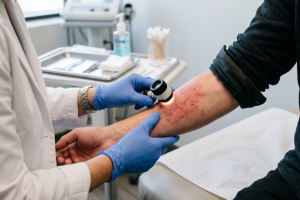
 Skin infections are more common than you might think, and catching them early makes all the difference. Redness, swelling, warmth, and pus are telltale signs, yet many people dismiss these symptoms until the infection worsens. Left untreated, what starts as a small irritation can spread and lead to serious complications. The good news? Most bacterial skin infections respond well to treatment when identified quickly. This guide will walk you through recognizing different types of bacterial skin infections, understanding their symptoms, and following a clear treatment plan to heal safely and effectively.
Understanding Bacterial Skin Infections
Your skin serves as a protective barrier, but bacterial infections of the skin occur when harmful bacteria penetrate through openings and establish themselves in tissue layers. These infections develop when bacteria enter through hair follicles or breaks resulting from scrapes, punctures, surgery, burns, sunburn, animal or insect bites, wounds, and pre-existing skin disorders. While many bacteria contact or reside on skin without causing issues, certain circumstances allow them to breach defenses and trigger infections.
The severity spectrum is wide. Bacterial skin infections range from a tiny spot to the entire body surface, and from harmless conditions to life-threatening situations. Bacteria can invade normal skin or affect areas where the skin barrier is already compromised, such as skin affected by atopic dermatitis or surgical wound sites. People can develop these infections after participating in various activities, including gardening in contaminated soil or swimming in contaminated ponds, lakes, or oceans.
What Are Bacterial Skin Infections?
Bacterial skin infections represent the invasion of pathogenic bacteria into skin and underlying tissues, causing inflammation, redness, pain, and potentially systemic symptoms like fever. The skin functions as your first line of defense against the environment, and a local or systemic response activates when this protective barrier is breached. Microorganisms that invade can be part of the external environment or the normal skin microbiome that turns opportunistic under certain conditions.
These infections affect different skin layers, from superficial surfaces to deeper tissues involving muscles, nerves, fat, and blood vessels. Consequently, each type requires specific treatment approaches. Bacterial skin infections are the 28th most common diagnosis in hospitalized patients, and they frequently appear in emergency department visits.
Common Bacteria That Cause Skin Infections
Staphylococcus and Streptococcus species cause most bacterial skin infections. Staphylococcus aureus stands out as the most common pathogen isolated in skin and soft tissue infections in the United States. About 30% of people carry staph bacteria in their noses without experiencing any harm, a state called colonization where the bacteria live on skin or in the nose without causing infection.
Group A Streptococcus and Staphylococcus aureus cause most cases of cellulitis. These bacteria enter skin through openings, causing infections in deeper layers. While many staph infections remain minor, such as pimples and boils, some strains have become resistant to treatment. Methicillin-resistant Staphylococcus aureus (MRSA) represents a significant concern because it resists many commonly used antibiotics. MRSA has undergone genetic changes allowing it to survive despite exposure to antibiotics that previously killed it.
Who Is at Higher Risk?
Certain groups face elevated susceptibility to bacterial skin infections:
-
- Age-related factors: Children under five years and adults over 65 years experience these infections more frequently than other age groups. Older individuals, particularly those spending extended time in bed or with limited mobility, develop higher infection rates
- Chronic health conditions: Diabetes significantly increases risk due to poor blood flow, especially to hands and feet, and high blood glucose levels that decrease infection-fighting ability
- Immune system compromise: People with HIV, AIDS, hepatitis, or those undergoing chemotherapy face greater vulnerability
- Skin integrity issues: Pre-existing conditions like eczema, chronic wounds, or athlete’s foot create entry points for bacteria
- Lifestyle factors: Individuals who inject drugs show increased risk, as do those with chronic swelling (edema) in limbs, which stretches skin and causes tiny tears
- Body weight: Being overweight or obese raises risk through friction from skin folds, sweating, and stretched skin that can tear
- Demographic patterns: In the United States, children, people 65 years and older, and Black, Native American, and Multiracial patients have elevated risk of community-acquired MRSA infections
- Living situations: Prisoners, athletes, and military personnel face higher rates due to close-quarter living arrangements
- Healthcare settings: Hospitalized patients or nursing home residents encounter greater exposure risk
Types of Bacterial Skin Infections You Should Know
Bacterial infections of the skin manifest in several distinct forms, each with unique characteristics and treatment needs. Recognizing the specific type helps determine the appropriate care approach.
Impetigo
Impetigo stands as one of the most recognizable bacterial skin infections, caused by group A Streptococcus, Staphylococcus aureus, or both. Red, itchy sores appear first, typically around the mouth, nose, arms, and legs. These sores burst quickly and leak clear fluid or pus for several days before forming the infection’s hallmark feature: crusty yellow or honey-colored scabs. The condition affects children most frequently, with prevalence around 1.3% in schoolchildren, and accounts for about 10% of skin conditions in children.
Three types exist: non-bullous (most common), bullous (affecting mainly infants under age 2, with over 90% of cases in this group), and ecthyma (untreated impetigo that penetrates deeper and may scar). The infection spreads easily through skin-to-skin contact or contaminated items, remaining contagious until 48 hours after starting treatment or when patches dry and crust over.
Cellulitis
Cellulitis penetrates deeper skin layers and subcutaneous tissue, creating poorly demarcated areas of redness, warmth, swelling, and pain. With over 14 million cases annually in the United States, this infection most commonly affects lower extremities in approximately 80% of patients. Streptococcus and Staphylococcus cause the majority of cases, entering through breaks in skin from cuts, ulcers, bites, or surgical wounds.
The affected skin may appear pitted like an orange peel, and blisters can form. Systemic symptoms including fever, chills, and fatigue frequently accompany the infection. Unlike erysipelas, cellulitis affects deeper tissues with less clearly defined borders.
Erysipelas
Erysipelas affects only the outer skin layers and lymph vessels, distinguished by its shiny, raised appearance with sharply defined borders. Group A beta-hemolytic streptococci cause this infection most often, though other bacteria can be responsible. High fever, chills, and malaise typically accompany the infection from the start, unlike cellulitis where these symptoms appear less frequently.
The infection commonly affects legs and face, appearing as fiery-red, indurated plaques with abrupt demarcation from healthy skin. This sharp border, sometimes called the “step sign,” helps differentiate it from cellulitis.
Folliculitis
Folliculitis begins when hair follicles become infected or inflamed, presenting as small red bumps or white-headed pimples. Staphylococcus aureus causes most cases, though Pseudomonas aeruginosa triggers “hot tub” folliculitis one to two days after exposure to contaminated water. Without treatment, bacterial folliculitis may resolve in 7 to 10 days or progress to boils.
Furuncles and Carbuncles
Furuncles (boils) develop when folliculitis extends into surrounding tissue, creating painful red swellings that fill with pus. Carbuncles form when several boils cluster together with multiple drainage openings, affecting deeper tissue layers. Carbuncles produce constitutional symptoms including fever and malaise, and are more likely to scar than single boils.
Less Common Bacterial Infections
Other bacterial skin infections include staphylococcal scalded skin syndrome, toxic shock syndrome, and necrotizing fasciitis. These conditions require immediate medical attention due to their severity.
How to Identify Bacterial Skin Infections: Signs and Symptoms
Recognizing bacterial infections of the skin early requires attention to specific observable changes and bodily responses. Symptoms vary depending on the infection type and severity, but certain patterns emerge consistently.
Visual Signs to Look For
Redness stands as the primary visual indicator, though it may appear as purple or darker areas on darker skin tones. The affected skin typically shows swelling and appears raised compared to surrounding tissue. Warmth radiates from infected areas, making them noticeably hotter to touch than healthy skin. The skin may develop a distinctive pitted appearance resembling an orange peel, or show dimpling in severe cases.
Pus-filled lesions, blisters, and pustules frequently appear. Yellow or honey-colored crusts form when sores rupture and leak fluid. In addition, some infections produce spots, while others create large fluid-filled blisters. Severe infections may cause skin sloughing, breakdown, or dark areas indicating tissue death.
Physical Symptoms You May Experience
Pain and tenderness accompany most bacterial skin infections. The infected area feels sore and painful to touch. Itching occurs frequently, particularly with folliculitis and impetigo. Fever develops in many cases, often paired with chills. You may experience general malaise, headache, or weakness. Lymph nodes near the infection site can become enlarged and sore.
When Bacterial Infection Spreads Beyond the Skin
Untreated infections can progress to serious systemic complications. Bacteremia occurs when bacteria enter the bloodstream. This can lead to endocarditis affecting the heart’s valves and lining, or osteomyelitis infecting bones. Sepsis represents a life-threatening response requiring emergency care, with symptoms including high fever, rapid heartbeat, confusion, and difficulty breathing.
Necrotizing fasciitis spreads rapidly through deep tissue layers. Early symptoms include severe pain extending beyond visible redness, along with fever. Later, the skin changes color, develops ulcers or black spots, and may ooze pus. Even with treatment, up to 1 in 5 people died from this condition.
Differences Between Bacterial and Other Skin Infections
Bacterial infections typically begin focused on one location, while viral infections present with more systemic symptoms from onset. Bacterial skin infections tend to spread rapidly if untreated, whereas fungal infections progress more slowly. The presence of warmth, swelling, and tenderness signals early bacterial involvement. Pus formation strongly suggests bacterial origin rather than fungal or viral causes.
Step-by-Step Guide to Treating Bacterial Skin Infections
Treatment approaches vary based on infection severity, location, and the bacteria involved. Following a systematic process ensures proper healing and reduces complications.
Step 1: Clean and Care for the Affected Area
Wash your hands before touching the wound. Rinse the affected area with water, keeping it under running water to lower infection risk. Wash around the wound with mild soap and water, but avoid getting soap directly in the wound. Clean the area twice daily unless instructed otherwise. Do not use hydrogen peroxide or alcohol, which can slow healing.
For minor wounds, apply plain petroleum jelly to keep the area moist. Choose petroleum jelly in a tube rather than a jar to prevent spreading dirt and bacteria. Cover the wound with an adhesive bandage, changing it at least once daily or whenever it becomes wet or dirty.
Step 2: Apply Topical Antibiotics for Mild Infections
Topical antibiotics work best for superficial infections under 5 cm without systemic symptoms. Mupirocin ointment treats localized infections like impetigo, eliminating 95% of cases within 7 to 10 days when applied three times daily. Apply a thin film to the affected area and cover with sterile gauze if needed. Use the medication for the full course as directed, even if symptoms improve. Do not use topical antibiotics longer than seven days.
Most minor cuts and wounds do not require antibiotics. Skip antibiotic ointments if the wound shows no infection signs, as they can cause contact dermatitis.
Step 3: Take Oral Antibiotics for Moderate to Severe Cases
Oral antibiotics treat infections with fever, spreading redness, or lymph node involvement. People usually notice improvement within a few days, though treatment typically lasts 7 to 14 days. Cephalexin 500mg four times daily effectively treats cellulitis and abscesses in non-allergic patients. First-generation cephalosporins may be the most effective first-line empirical regimen for bacterial skin infections treated in outpatient settings.
Step 4: Drainage Procedures for Abscesses
Incision and drainage serves as the primary treatment for abscesses, as antibiotic therapy alone proves inadequate. A healthcare provider makes an incision over the abscess, drains the pus, and cleans the cavity with sterile saline solution. Wound packing is not recommended for abscesses 5 cm or less in diameter.
Step 5: Monitor Your Progress and Watch for Complications
Watch for improvement within 24 to 48 hours after starting antibiotics. Contact your doctor immediately if redness spreads, red streaks appear, drainage increases, or fever develops.
Step 6: Complete Your Full Treatment Course
Finish all prescribed antibiotics even if symptoms improve early. Stopping treatment prematurely allows remaining bacteria to survive and multiply, potentially causing reinfection that may be more severe and difficult to treat.
When to See a Doctor and Prevention Tips
Knowing when professional care becomes necessary can prevent serious complications. Equally important, implementing preventive measures reduces your risk of developing bacterial infections of the skin.
Warning Signs That Require Medical Attention
Seek medical care immediately if the red area spreads quickly or you develop fever or chills. Contact a healthcare professional if you have a fever of 100.4°F (38°C) or higher, severe pain, or spreading redness 7. Children under 3 months old with a fever of 100.4°F (38°C) or higher require immediate attention.
Watch for signs of sepsis, namely fever, fast breathing, confusion, cold or sweaty skin, severe pain, or skin rash patterns. Necrotizing fasciitis presents with rapidly spreading infection, severe pain beyond visible redness, and skin that feels crunchy when pressed.
How to Prevent Bacterial Skin Infections
Wash cuts and scrapes with soap and water, then cover with a sterile bandage. Apply petroleum jelly to keep tissue moist and bacteria out. Besides wound care, wash hands regularly for at least 20 seconds. Avoid sharing towels, razors, washcloths, or personal items. Shower daily and keep your environment clean.
Managing Recurring Infections
Decolonization with intranasal mupirocin twice daily for 5 days and chlorhexidine body washes daily for 5 days helps prevent recurrence. Antibiotic prophylaxis reduces recurrence by 69% for patients with more than two episodes yearly. Treat underlying conditions, namely diabetes or eczema, to prevent future infections.
Bacterial skin infections can escalate quickly, but you now have the knowledge to identify and treat them effectively. Essentially, catching symptoms early and following proper treatment protocols makes all the difference between minor discomfort and serious complications. Clean wounds properly, use antibiotics as prescribed, and complete the full treatment course even when you feel better. Most importantly, don’t hesitate to seek medical attention if symptoms worsen or spread rapidly. Stay vigilant with prevention by maintaining good hygiene and caring for cuts immediately. With the right approach, you can handle bacterial skin infections confidently and protect your health.
We Provide General Dermatology Services
We provide gentle, specialized care for children’s unique skin concerns, including birthmarks, eczema, acne, warts, and other pediatric dermatological conditions. Our friendly approach helps make these experiences positive for our youngest patients.
> Learn More
Contact Us (859) 283-1033 for a Consultation
—
 About Dermatology Associates of Northern Kentucky
 About Dermatology Associates of Northern Kentucky
Dermatology Associates of Northern Kentucky offers a range of services for all age groups, including general and pediatric dermatology, dermatologic surgery, Mohs Micrographic surgery, laser and cosmetic procedures, and Dermatopathology.
> Learn More