
Rosacea Treatment
Northern Kentucky Rosacea Treatment
Personalized Rosacea Treatment for Healthier, Calmer Skin
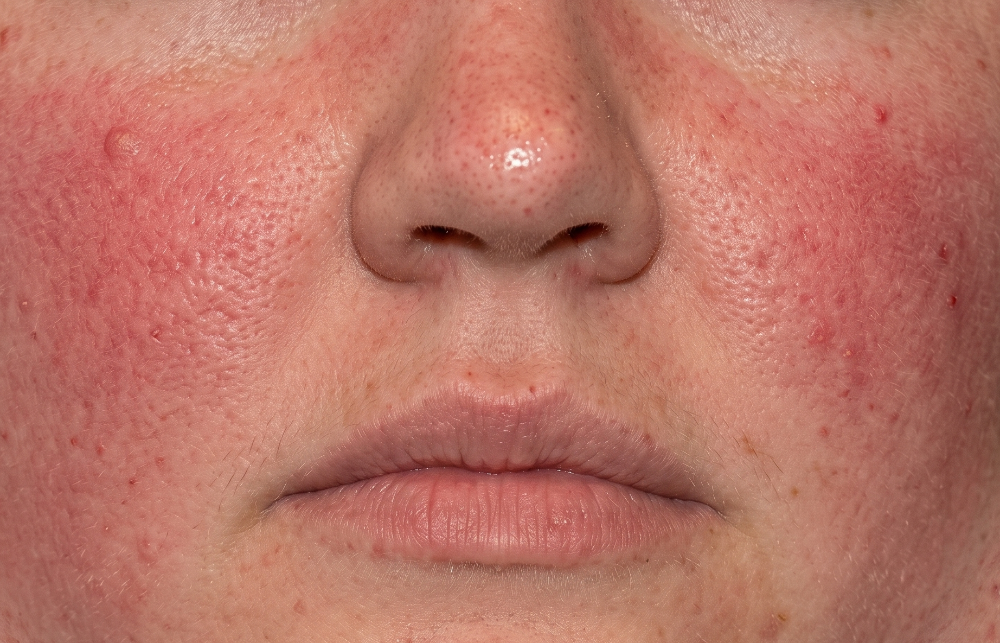
Rosacea is a chronic skin condition that commonly causes facial redness, flushing, visible blood vessels, bumps, and skin sensitivity. Symptoms often affect the cheeks, nose, forehead, and chin and may come and go over time. Because rosacea can resemble acne or other skin conditions, an evaluation by a dermatologist can help provide an accurate diagnosis and identify factors that may be contributing to flare-ups.
Rosacea treatment focuses on controlling symptoms, reducing inflammation and redness, and helping prevent future flare-ups. Depending on your symptoms and the severity of your condition, treatment may include prescription topical medications, oral medications, appropriate skincare products, lifestyle modifications, and procedures that target persistent redness or visible blood vessels. A personalized treatment plan can help keep rosacea under better control while improving the appearance and comfort of your skin.
Rosacea Treatment FAQs
What is rosacea?
Rosacea is a chronic inflammatory skin condition that commonly causes facial redness, flushing, visible blood vessels, bumps, and increased skin sensitivity.
What causes rosacea?
The exact cause is not fully understood. Genetics, immune-system activity, environmental factors, and certain microorganisms on the skin may play a role.
What triggers rosacea flare-ups?
Common triggers may include sun exposure, hot or cold weather, stress, exercise, spicy foods, hot beverages, alcohol, and certain skincare products. Triggers vary by person.
How is rosacea diagnosed?
A dermatologist can typically diagnose rosacea by examining your skin and reviewing your symptoms, medical history, and possible triggers.
How is rosacea treated?
Treatment may include topical medications, oral medications, specialized skincare, lifestyle changes, and procedures designed to reduce redness or visible blood vessels.
Can rosacea be cured?
There is currently no cure for rosacea, but appropriate treatment and trigger management can often significantly reduce symptoms and flare-ups.
Can rosacea look like acne?
Yes. Some types of rosacea cause red bumps and pimple-like breakouts that can resemble acne. A dermatologist can determine which condition is causing your symptoms.
Can laser or light treatments help rosacea?
Laser and light-based treatments may help reduce persistent redness and visible blood vessels in some patients. A dermatologist can determine whether these treatments are appropriate for your skin.
What skincare products should I use if I have rosacea?
Gentle, fragrance-free products and daily sun protection are often recommended. Avoiding products that sting, burn, or irritate your skin may also help minimize flare-ups.
When should I see a dermatologist for rosacea?
Consider seeing a dermatologist if you experience persistent facial redness, frequent flushing, visible blood vessels, recurring bumps, eye irritation, or symptoms that are becoming difficult to manage.
Relevant Tips, Trends, & News
Northern Kentucky Rosacea Doctors – A Guide For Symptoms, Diagnosis and Treatment of Rosacea…
Rosacea is a chronic skin condition that primarily affects the face, leading to redness, visible blood vessels, and sometimes acne-like bumps. While it can be distressing and impact self-esteem, effective treatments are available. Understanding the nature of rosacea,...
Board Certified Physicians
Our Board Certified Physicians and Physician Extenders treat a wide range of conditions using the latest procedures and medications.
You Have An Active Role
We want to educate you about your condition, and encourage you to play an active role in your treatment.
Comprehensive Treatments
We treat a wide spectrum of skin conditions including acne, moles, psoriasis, eczema and skin cancers as well as less common conditions.