
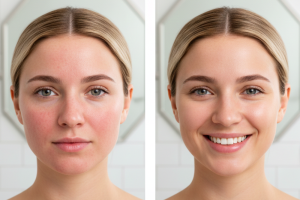
 Rosacea is a chronic skin condition that primarily affects the face, leading to redness, visible blood vessels, and sometimes acne-like bumps. While it can be distressing and impact self-esteem, effective treatments are available. Understanding the nature of rosacea, its symptoms, triggers, and treatment options can empower individuals to manage their condition effectively. This guide aims to provide a thorough overview of rosacea treatment from a dermatologist’s perspective.
Understanding Rosacea
Rosacea is a common inflammatory skin disorder that typically manifests in adults, particularly those aged 30 and above. It is characterized by facial redness, flushing, and the appearance of small, red bumps. Although anyone can develop rosacea, it is more prevalent among individuals with fair skin and those who experience hormonal changes, such as women during menopause.
Types of Rosacea
Rosacea is classified into four main subtypes, each presenting unique symptoms:
-
- Erythematotelangiectatic Rosacea: This subtype is marked by persistent redness and visible blood vessels. Individuals may experience frequent flushing, which can be triggered by various factors.
- Papulopustular Rosacea: Often resembling acne, this type features pus-filled bumps and inflammation. It can lead to significant discomfort and skin irritation.
- Phymatous Rosacea: This subtype involves thickening of the skin, particularly around the nose, leading to a bulbous appearance. It is more common in men.
- Ocular Rosacea: Affecting the eyes, this type can cause irritation, redness, and swelling of the eyelids. It may lead to more severe complications if left untreated.
Symptoms of Rosacea
The symptoms of rosacea can vary widely among individuals. Common signs include:
-
- Flushing and Redness: Initial symptoms often include episodes of blushing that may become more persistent over time.
- Bumps and Pimples: Small, red, solid bumps or pus-filled lesions can develop, leading to discomfort.
- Visible Blood Vessels: Dilated blood vessels may become apparent, contributing to the overall redness of the face.
- Eye Irritation: Symptoms may extend to the eyes, causing dryness, burning sensations, and sensitivity to light.
Diagnosing Rosacea
A dermatologist typically diagnoses rosacea through a comprehensive examination of the skin and a review of the patient’s medical history. Since there is no definitive test for rosacea, the dermatologist will assess the symptoms and may conduct tests to rule out other skin conditions, such as acne or lupus.
Importance of Professional Diagnosis
Seeking a professional diagnosis is crucial, as rosacea can mimic other skin disorders. A dermatologist can accurately identify the subtype of rosacea and recommend appropriate treatment options tailored to the individual’s needs.
Identifying Triggers
Understanding what triggers rosacea flare-ups is essential for effective management. Common triggers include:
- Environmental Factors: Sun exposure, extreme temperatures, and wind can exacerbate symptoms.
- Dietary Influences: Spicy foods, alcohol, and hot beverages may provoke flushing.
- Emotional Stress: Anxiety and stress can lead to increased redness and discomfort.
- Skin Care Products: Certain cosmetics or skin care products containing irritants can worsen symptoms.
Keeping a Trigger Diary
Maintaining a diary to track flare-ups and potential triggers can help individuals identify patterns and avoid specific factors that exacerbate their condition.
Treatment Options for Rosacea
While there is no cure for rosacea, various treatment options can help manage symptoms effectively. A dermatologist will create a personalized treatment plan based on the individual’s symptoms and the subtype of rosacea.
Topical Treatments
Topical medications are often the first line of defense against rosacea. Common options include:
-
- Brimonidine Gel: This medication reduces redness by constricting blood vessels. It provides temporary relief and is typically applied before events that may trigger flushing.
- Azelaic Acid: Known for its anti-inflammatory properties, azelaic acid can help reduce bumps and redness. It may take several weeks to see noticeable improvements.
- Metronidazole: This topical antibiotic is effective in reducing inflammation and treating acne-like breakouts associated with rosacea.
Oral Medications
For more severe cases, oral medications may be prescribed:
-
- Antibiotics: Oral antibiotics, such as doxycycline, can help reduce inflammation and treat papulopustular rosacea.
- Isotretinoin: In cases resistant to other treatments, isotretinoin may be considered. However, it is essential to discuss potential side effects and contraindications, especially for women of childbearing age.
Laser and Light Therapies
Laser treatments can effectively target visible blood vessels and reduce redness. Common procedures include:
-
- Intense Pulsed Light (IPL): This non-invasive treatment uses light energy to diminish redness and improve skin texture.
- Laser Therapy: Specific lasers can target blood vessels, leading to a reduction in flushing and overall redness.
Lifestyle Modifications
In addition to medical treatments, lifestyle changes can significantly impact the management of rosacea:
-
- Sun Protection: Daily use of broad-spectrum sunscreen with an SPF of 30 or higher is crucial. Wearing hats and seeking shade can also help protect the skin.
- Gentle Skin Care: Using mild, fragrance-free cleansers and moisturizers can prevent irritation. Avoiding harsh scrubs and exfoliants is advisable.
- Dietary Adjustments: Identifying and avoiding trigger foods can help minimize flare-ups. Incorporating anti-inflammatory foods, such as fruits and vegetables, may also be beneficial.
Coping with Rosacea
Living with rosacea can be challenging, both physically and emotionally. Many individuals experience feelings of self-consciousness due to visible symptoms. Here are some strategies to cope:
Support Groups
Connecting with others who have rosacea can provide emotional support and practical advice. Online forums and local support groups can be valuable resources.
Mental Health Considerations
If rosacea significantly impacts self-esteem or mental well-being, seeking support from a mental health professional can be beneficial. Therapy can help individuals develop coping strategies and improve their overall quality of life.
Long-Term Management
Rosacea is a chronic condition that requires ongoing management. Regular follow-ups with a dermatologist can help monitor symptoms and adjust treatment plans as needed.
Maintenance Treatments
Once symptoms are under control, dermatologists may recommend maintenance treatments to prevent flare-ups. This may include continued use of topical medications or periodic laser treatments.
Monitoring Changes
Individuals should remain vigilant for any changes in their symptoms. If new symptoms arise or existing ones worsen, it is essential to consult a dermatologist promptly.
Rosacea is a complex skin condition that can significantly affect an individual’s quality of life. However, with the right diagnosis, treatment, and lifestyle modifications, it is possible to manage symptoms effectively. Consulting a dermatologist is crucial for developing a personalized treatment plan that addresses the unique needs of each patient. By understanding the triggers and treatment options available, individuals can take proactive steps toward achieving clearer, healthier skin.
We Provide Rosacea Diagnosis and Treatment Services
We provide gentle, specialized care for children’s unique skin concerns, including birthmarks, eczema, acne, warts, and other pediatric dermatological conditions. Our friendly approach helps make these experiences positive for our youngest patients.
> Learn More
Contact Us (859) 283-1033 for a Consultation
—
 About Dermatology Associates of Northern Kentucky
 About Dermatology Associates of Northern Kentucky
Dermatology Associates of Northern Kentucky offers a range of services for all age groups, including general and pediatric dermatology, dermatologic surgery, Mohs Micrographic surgery, laser and cosmetic procedures, and Dermatopathology.
> Learn More