
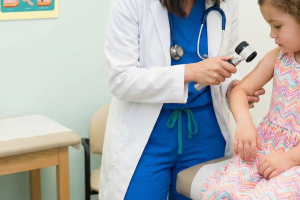
 Pediatric dermatology is a specialized branch of medicine that focuses on diagnosing and treating skin conditions in children, from newborns to adolescents. This field is essential because children’s skin is not only more sensitive than that of adults but also presents unique challenges and conditions that require specialized knowledge and care. Pediatric dermatologists are trained to handle a wide array of skin issues, ensuring that young patients receive the best possible treatment tailored to their developmental needs.
What is Pediatric Dermatology?
Pediatric dermatology encompasses the study and treatment of skin, hair, and nail disorders in children. This specialty is crucial as it addresses the unique dermatological needs of younger patients, who may experience conditions that differ significantly from those seen in adults. Pediatric dermatologists are equipped with the expertise to manage both common and rare skin disorders, ensuring comprehensive care for their patients.
The Importance of Specialized Care
Children’s skin is thinner and more delicate, making it susceptible to various conditions. Pediatric dermatologists understand the nuances of skin development and the implications of various skin diseases on a child’s overall health and well-being. They are trained to recognize symptoms that may be overlooked by general practitioners, ensuring timely and effective treatment.
Training and Qualifications
To become a pediatric dermatologist, one must complete extensive training, which typically includes:
-
- Medical School: Four years of medical education.
- Internship: One year of general medical training.
- Residency: Three years in dermatology or a combination of two years in pediatrics followed by three years in dermatology.
- Fellowship: One additional year focused specifically on pediatric dermatology.
Upon completion of this rigorous training, pediatric dermatologists are board-certified, demonstrating their proficiency in this specialized field.
Common Skin Conditions Treated by Pediatric Dermatologists
Pediatric dermatologists manage a wide range of skin conditions, from common ailments to complex disorders. Here are some of the most frequently encountered issues:
Eczema (Atopic Dermatitis)
Eczema is a prevalent condition among children, characterized by red, itchy patches on the skin. It can vary in severity and often requires a multifaceted treatment approach, including:
-
- Moisturizers: To keep the skin hydrated.
- Topical Steroids: To reduce inflammation.
- Avoiding Triggers: Identifying and avoiding allergens or irritants that exacerbate the condition.
Acne
While often associated with teenagers, acne can also affect younger children. Pediatric dermatologists can provide treatments tailored to the child’s age and skin type, including:
-
- Topical Treatments: Such as benzoyl peroxide or retinoids.
- Oral Medications: For more severe cases, including antibiotics or hormonal treatments.
Warts
Warts are benign growths caused by the human papillomavirus (HPV). They can be treated through various methods, including:
-
- Cryotherapy: Freezing the wart.
- Topical Treatments: Such as salicylic acid.
- Surgical Removal: For persistent or bothersome warts.
Birthmarks and Vascular Anomalies
Pediatric dermatologists often treat various types of birthmarks, including hemangiomas and port-wine stains. Treatment options may include:
-
- Observation: Many birthmarks resolve on their own.
- Laser Therapy: To reduce the appearance of vascular birthmarks.
- Surgical Intervention: In cases where the birthmark affects function or appearance.
Psoriasis
Psoriasis is an autoimmune condition that can manifest in children as red, scaly patches. Treatment may involve:
-
- Topical Treatments: Such as corticosteroids or vitamin D analogs.
- Phototherapy: Controlled exposure to ultraviolet light.
- Systemic Medications: For more severe cases.
The Role of Pediatric Dermatologists
Pediatric dermatologists play a vital role in the healthcare of children with skin conditions. Their expertise allows them to provide not only medical treatment but also emotional support to both the child and their family.
Comprehensive Evaluations
During a consultation, pediatric dermatologists conduct thorough evaluations, which may include:
-
- Medical History Review: Understanding the child’s health background and any family history of skin conditions.
- Physical Examination: Assessing the skin condition and its impact on the child’s overall health.
- Diagnostic Tests: If necessary, conducting tests to confirm a diagnosis.
Tailored Treatment Plans
After the evaluation, pediatric dermatologists develop personalized treatment plans that consider:
-
- Age and Development: Treatments are adjusted based on the child’s age and developmental stage.
- Lifestyle Factors: Recommendations may include changes in skincare routines or environmental adjustments.
- Family Involvement: Educating parents on how to manage their child’s condition at home.
Why Choose a Pediatric Dermatologist?
Choosing a pediatric dermatologist over a general dermatologist or pediatrician can significantly impact the quality of care your child receives. Here are some reasons to consider:
Specialized Knowledge
Pediatric dermatologists possess in-depth knowledge of skin conditions specific to children, allowing for accurate diagnoses and effective treatments.
Child-Friendly Environment
These specialists are trained to communicate with children in a way that makes them feel comfortable and safe during examinations and treatments. Their offices are often designed to be welcoming and less intimidating for young patients.
Focus on Growth and Development
Pediatric dermatologists consider the child’s growth and developmental milestones when recommending treatments, ensuring that interventions are appropriate and safe.
Minimizing Scarring and Emotional Impact
Children are particularly sensitive to the appearance of their skin. Pediatric dermatologists aim to minimize scarring and address any emotional concerns related to skin conditions, helping to maintain the child’s self-esteem.
What to Expect During a Pediatric Dermatology Visit
When visiting a pediatric dermatologist, parents can expect a comprehensive approach to their child’s skin condition. Here’s what typically happens during an appointment:
Initial Consultation
-
- Discussion of Symptoms: Parents will describe the child’s symptoms, including when they started and any treatments attempted.
- Medical History: The dermatologist will inquire about the child’s medical history and any relevant family history of skin conditions.
Examination
-
- Physical Assessment: The dermatologist will examine the affected areas of the skin, looking for specific signs and symptoms.
- Diagnostic Tests: If necessary, the dermatologist may perform tests, such as skin biopsies or allergy tests, to aid in diagnosis.
Treatment Recommendations
-
- Personalized Plan: Based on the evaluation, the dermatologist will recommend a treatment plan tailored to the child’s needs.
- Follow-Up Care: Parents will receive guidance on follow-up appointments and ongoing management of the condition.
The Future of Pediatric Dermatology
As research in dermatology continues to evolve, pediatric dermatology is also advancing. New treatments and technologies are being developed to improve care for children with skin conditions.
Innovative Treatments
Emerging therapies, such as biologics for autoimmune skin diseases and advanced laser technologies, are becoming more common in pediatric dermatology. These treatments offer new hope for children with previously difficult-to-manage conditions.
Research and Education
Pediatric dermatologists are actively involved in research to better understand skin diseases in children and develop more effective treatments. Educational initiatives also aim to train the next generation of dermatologists in the unique aspects of pediatric care.
Pediatric dermatology is a vital field dedicated to the health and well-being of children with skin conditions. With specialized training and a focus on the unique needs of young patients, pediatric dermatologists provide comprehensive care that addresses both medical and emotional aspects of skin health. By understanding the importance of this specialty, parents can make informed decisions about their child’s dermatological care, ensuring they receive the best possible treatment for their skin conditions.
We Provide Pediatric Dermatology Services
We provide gentle, specialized care for children’s unique skin concerns, including birthmarks, eczema, acne, warts, and other pediatric dermatological conditions. Our friendly approach helps make these experiences positive for our youngest patients.
> Learn More
Contact Us (859) 283-1033 for a Consultation
—
 About Dermatology Associates of Northern Kentucky
 About Dermatology Associates of Northern Kentucky
Dermatology Associates of Northern Kentucky offers a range of services for all age groups, including general and pediatric dermatology, dermatologic surgery, Mohs Micrographic surgery, laser and cosmetic procedures, and Dermatopathology.
> Learn More